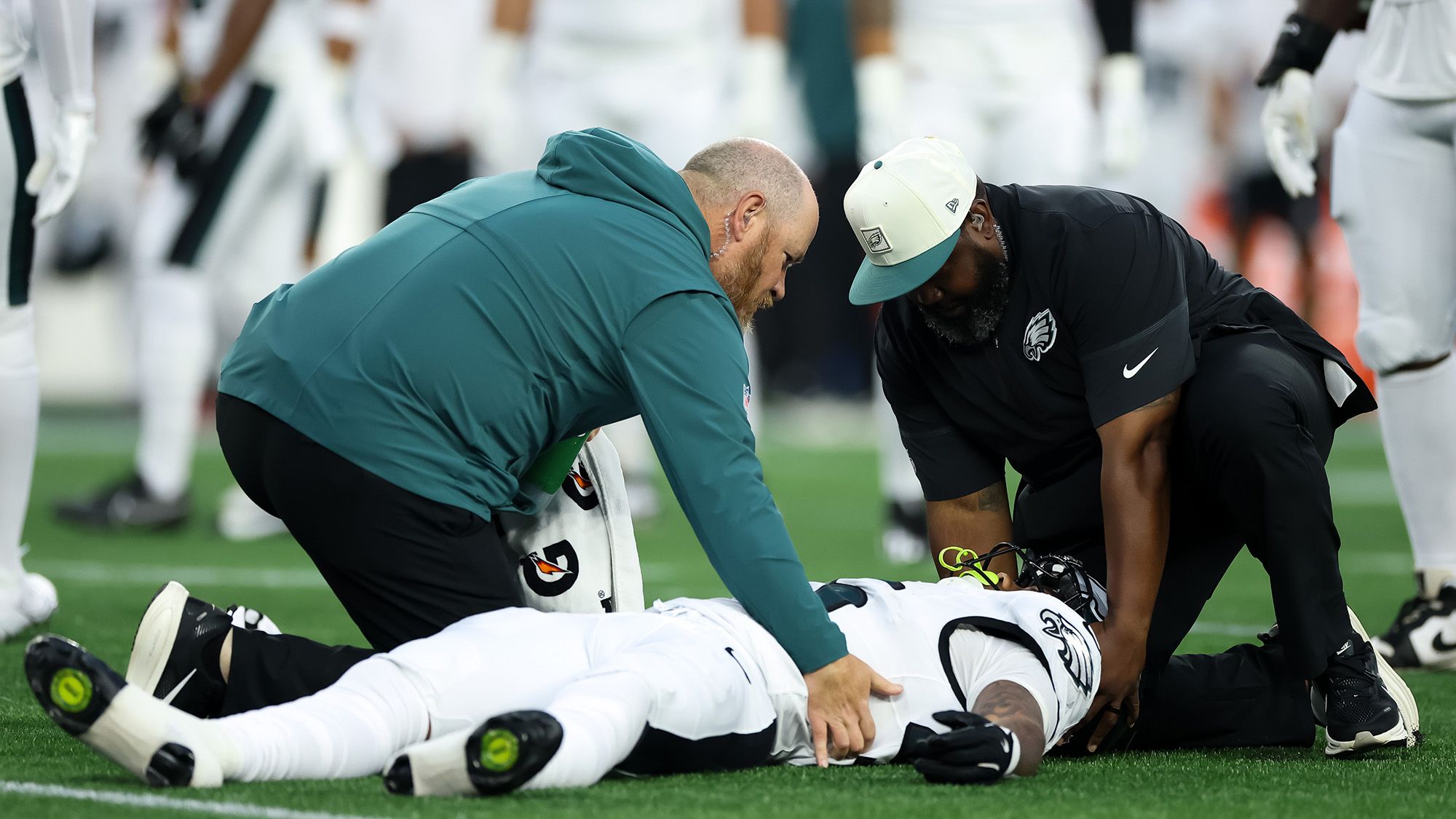
Study Estimates at Least 25% of Former NFL Players Had CTE
Recent autopsy findings published on August 25 in The BMJ reveal that at least 25% of former National Football League players who died between 2008 and 2021 displayed neuropathological changes associated with chronic traumatic encephalopathy. Despite these statistical ranges, concussion and biomechanics experts emphasize that extrapolating these historical findings to contemporary athletes ignores decades of safety reforms, altered tackling rules, and advanced equipment engineering.
- The BMJ study analyzed donated brain tissue from 338 former NFL players out of 1,712 total deaths between 2008 and 2021, establishing a broad estimated CTE prevalence range from 18.5% to 98.7%.
- Thayne Munce, an associate professor and director of the Jayhawk Athletic Performance Laboratory at the University of Kansas who was not involved in the research, cautions that the cohort predominantly played during the 1960s and 1970s under entirely different rules and equipment standards.
- Clinical investigators note a critical disconnect between the physical presence of tau protein accumulation in post-mortem brain tissue and overt clinical manifestations like dementia, which appeared predominantly in advanced stage IV cases.
The retrospective study examined donated brains to estimate population-level disease frequency, discovering that over 93% of the analyzed donor tissue exhibited physical signs of the neurodegenerative disease. However, researchers noted significant potential selection bias because individuals experiencing cognitive decline or behavioral changes during life may have been far more likely to donate their brains for medical research. Consequently, true prevalence across the entire cohort remains difficult to pin down precisely.
According to Thayne Munce, applying these historical estimates to modern athletes creates a false equivalence. Players in the dataset primarily competed during an era when helmet-to-helmet hits, spearing with the crown of the helmet, and playing through repeated concussions were common practice. Modern football operates under fundamentally different clinical protocols.
Pathologically, chronic traumatic encephalopathy is defined by abnormal protein deposits identified strictly via post-mortem neuropathological examination. The clinical expression of these structural brain changes—including memory loss, mood fluctuations, and executive dysfunction—does not universally track with early-stage tissue markers. Only among individuals diagnosed with stage IV disease did researchers observe a 90% correlation with clinical dementia records.

While tackle football inherently carries physical risks, experts maintain that contemporary safety measures have rendered the sport significantly safer than it was during past decades. For parents and athletes navigating participation choices, coordinating care with a qualified healthcare provider ensures that individual risk-benefit evaluations remain grounded in verified clinical science.
*Disclaimer: The information provided in this article is for educational and scientific communication purposes only and does not constitute medical advice. Always consult with a qualified healthcare provider regarding any medical condition, diagnosis, or treatment plan.*