Over 1.6 Million Thai People Affected by Atrial Fibrillation
<>
- More than 1.6 million individuals in Thailand live with atrial fibrillation, driven largely by an expanding aging demographic.
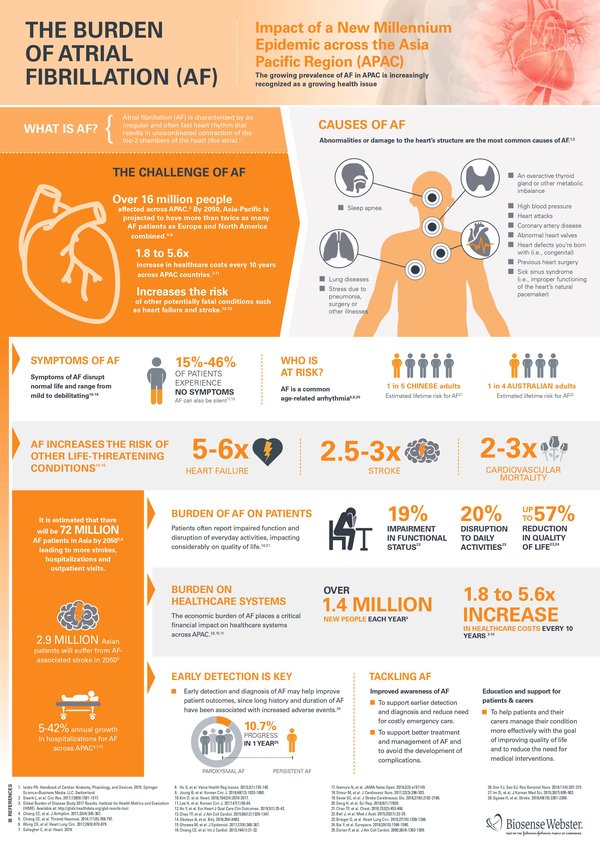
- Regional data from the Asia Pacific Heart Rhythm Society projects atrial fibrillation cases across Asia Pacific will reach 72 million by 2050.
Epidemiological Scale and Regional Projections
The clinical challenge of managing atrial fibrillation extends far beyond individual patient management, representing a major public health trajectory across the region. According to findings presented at the Asia Pacific Heart Rhythm Society academic conference via the Beyond the Burden: The Impact of Atrial Fibrillation in Asia Pacific report, the wider Asia Pacific region accounts for more than 16 million diagnosed cases. Projections within the report indicate this figure will climb to 72 million by the year 2050, eclipsing combined totals for Europe and North America. Annual new diagnoses hover around 1.4 million across the region. Healthcare expenditures linked to the management, long-term monitoring, and complication treatment of the condition are projected to multiply between 1.8 and 5.6 times every decade, placing significant demand on healthcare infrastructure. Within Thailand, the patient population exceeding 1.6 million is directly correlated with a shifting national demographic toward an aging society.
Pathophysiology and Diagnostic Hurdles
Patients typically report symptoms ranging from palpitations, rapid or irregular heartbeats, and fatigue, to lightheadedness, dizziness, and chest discomfort. Diagnosis remains clinically demanding because the arrhythmia often manifests paroxysmally. Intermittent episodes mean standard single-readout electrocardiograms frequently fail to capture the transient electrical disturbance. To establish a definitive diagnosis, clinicians routinely deploy extended ambulatory monitoring tools such as Holter monitors or specialized cardiac event recorders to evaluate cumulative arrhythmia burden.

Advanced Interventional Management
Future Trajectory of Arrhythmia Care
Disclaimer: The information provided in this article is for educational and scientific communication purposes only and does not constitute medical advice. Always consult with a qualified healthcare provider regarding any medical condition, diagnosis, or treatment plan.
>