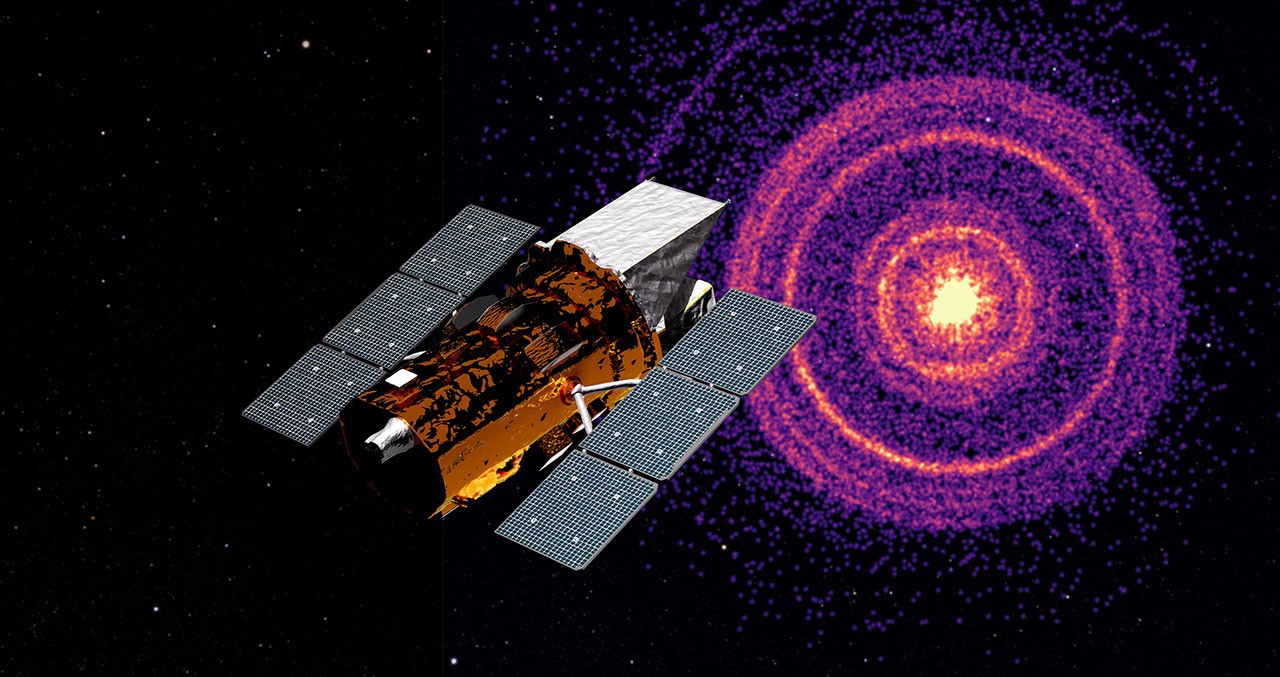
NASA’s Swift Observatory Resumes Burst Alert Telescope Operations
NASA’s Neil Gehrels Swift Observatory Resumes Burst Alert Telescope Operations
NASA’s Neil Gehrels Swift Observatory has resumed data collection using its Burst Alert Telescope following a power-saving shutdown initiated in April, according to mission updates released on Sept. 25, 2026. Flight controllers at Penn State in University Park confirmed that the spacecraft has also returned to automated slewing, allowing its Ultraviolet/Optical and X-ray telescopes to automatically repoint toward newly detected high-energy cosmic flashes.
The Tech TL;DR:
- Instrument Reactivated: The Burst Alert Telescope resumed data collection on Sept. 18, 2026, after being idled since April to conserve power.
- Automated Slewing Restored: Swift returned to automated pointing on Sept. 21, 2026, enabling real-time observation of gamma-ray bursts across its 16% sky field of view.
- Orbital Constraints: The spacecraft is currently operating at approximately 200 miles (325 kilometers) above Earth and faces an anticipated operational threshold below 185 miles in October.
Orbital Decay and Power Management Constraints
The return to normal scientific operations follows the scaling back of a commercial mission that originally aimed to boost Swift to a higher altitude. To extend the satellite’s orbital lifespan prior to the intended boost effort, the flight operations team shut down the Burst Alert Telescope in April. This allowed the spacecraft’s solar panels to optimize positioning, thereby minimizing atmospheric drag.

In December 2025, the science operations team began modifying approximately 25% of scheduled science targets to favor points in the sky that reduced drag during observations. With the instrument recalibrated and actively detecting gamma rays as of Sept. 18, automated pointing protocols were safely reinstated three days later.
Operational Architecture and Automated Response Loops
Daily observation schedules for Swift are normally compiled and transmitted by the flight operations team at Penn State. However, the architecture of the observatory relies on an interrupt-driven feedback loop. This triggers an immediate automated slew, directing the secondary Ultraviolet/Optical and X-ray instruments toward the transient event.
Despite the successful reactivation of these routines, the observatory faces imminent physical limitations. Rapid orbital decay has brought Swift down to an altitude of roughly 200 miles (325 kilometers). Mission projections indicate that once the satellite descends below 185 miles (300 kilometers), aerodynamic drag and stabilization hurdles will impede spacecraft operations, likely forcing the cessation of science observations. Mission updates continue to be tracked via the official Neil Gehrels Swift Observatory blog maintained at NASA’s Science Blogs.
*Disclaimer: The technical analyses and security protocols detailed in this article are for informational purposes only. Always consult with certified IT and cybersecurity professionals before altering enterprise networks or handling sensitive data.*