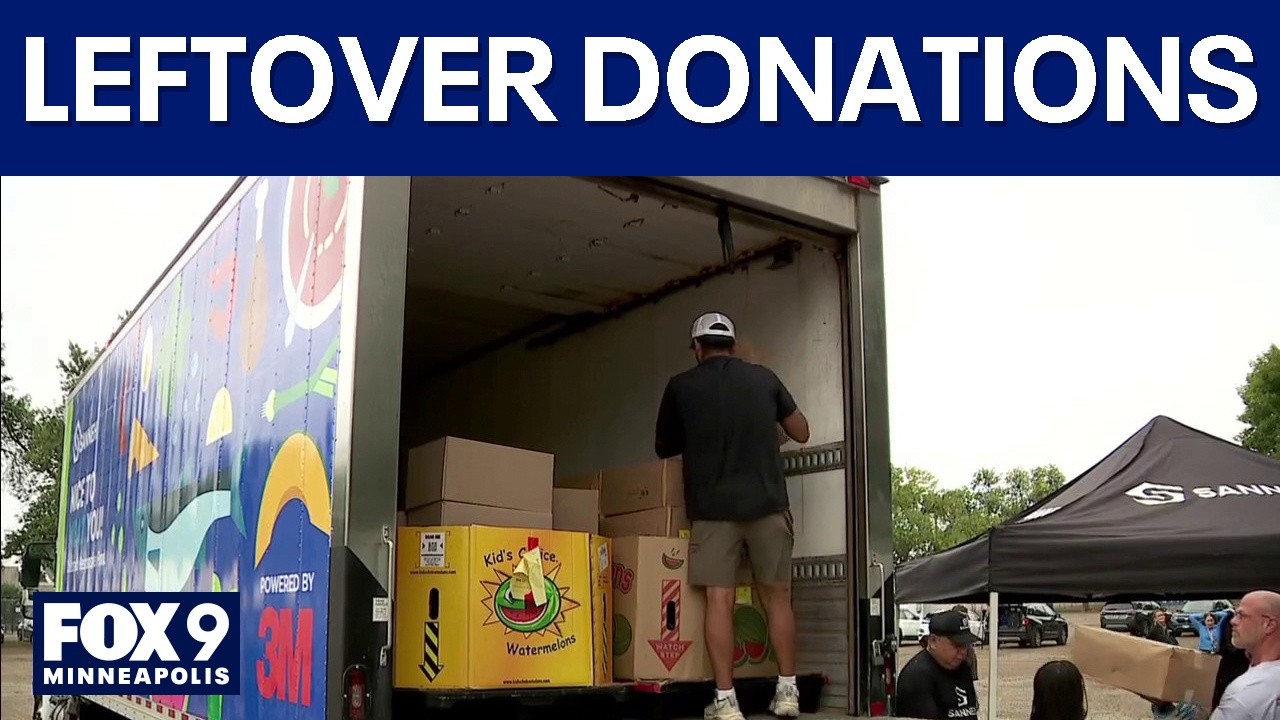
Minnesota State Fair Vendors Donate 10,000 Pounds of Leftover Food to Charity
Following the conclusion of the 2026 Minnesota State Fair, food vendors and relief organizations successfully coordinated to rescue over 10,000 pounds of leftover food and supplies, redirecting perishable goods to local food shelves through Second Harvest Heartland and Loaves and Fishes.
Teardown Operations Target Surplus State Fair Inventory
More than 200 food vendors expressed interest prior to the fair in a centralized rescue initiative designed to combat rising food insecurity across the region, according to Sarah Moberg, CEO of Second Harvest Heartland.

Instead of watching unused ingredients head to disposal sites, organizations deployed refrigerated trucks directly to the fairgrounds on Tuesday, 2026. The coordinated effort streamlined donations of paper products, frozen hamburgers, hot dog buns, and specialty items like egg rolls and frozen grapes. According to Moberg, the collaborative collection point eliminated the logistical hurdles that traditionally complicated post-fair donations.
Logistical Precision Powers North Minneapolis Food Rescue
Managing the influx requires rapid sorting and distribution across local networks. Mel McCormick and the operations team at Loaves and Fishes received the shipments at their North Minneapolis warehouse, preparing to turn around items with limited shelf-life for immediate community distribution.

Organizers noted that food insecurity figures remain at an all-time high, making every pound of rescued inventory critical for regional safety nets.
Enhancing Regional Food Shelves With Fair Staples
The rescued inventory offers unique menu items for families relying on local food pantries. Unlike standard non-perishable staples, the influx of frozen items provides diverse ingredients that local kitchens can combine with existing inventory to build complete, balanced meals.
As the 2026 fairgrounds empty out and permanent facilities winterize, the thousands of pounds of rescued meals represent a shift in how major public gatherings handle post-event inventory. The success of this year’s centralized collection sets a clear operational precedent for future regional events seeking to balance commercial efficiency with community support.
>