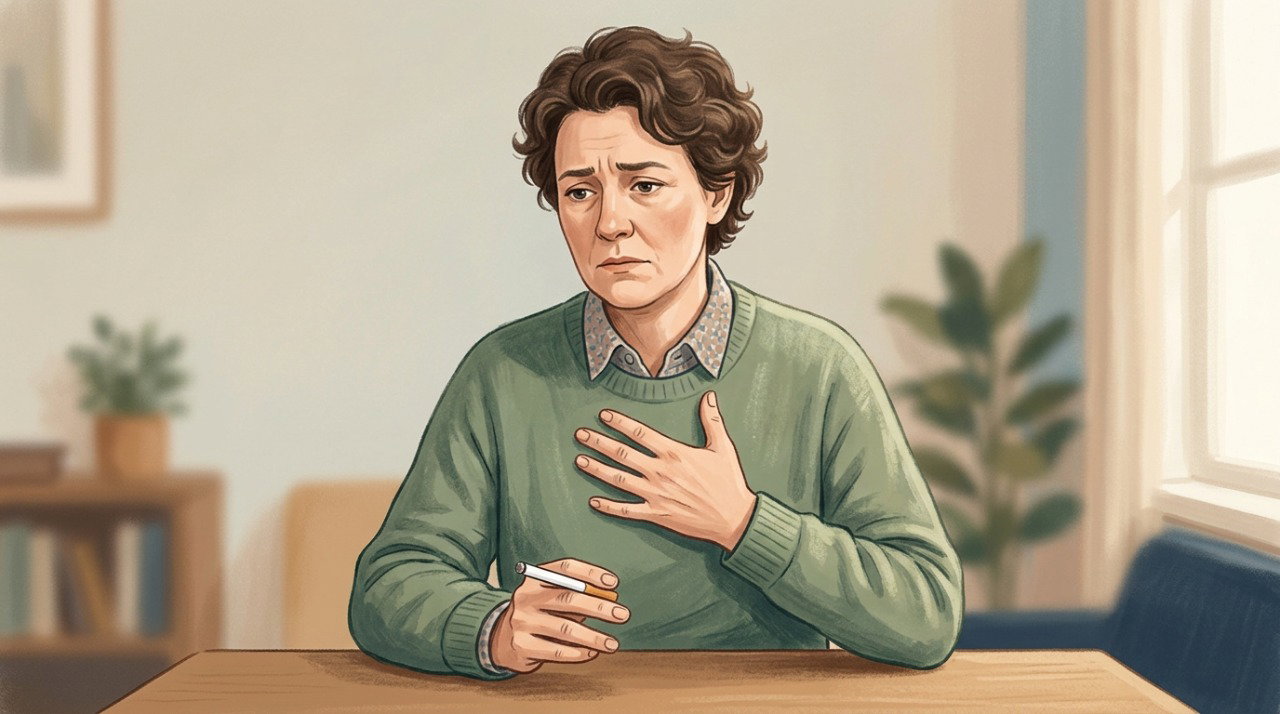
Light Smoking Risks: Why Even a Few Cigarettes Harm Your Heart
Low-intensity smoking patterns—commonly understood as consuming just a few cigarettes per day—continue to exert significant physiological stress on the cardiovascular system, contradicting the widespread public perception that light tobacco use carries negligible health risks. According to epidemiological data evaluated in public health reviews like those published by outlets such as Tua Saúde, intermittent or casual cigarette consumption still triggers endothelial dysfunction, systemic inflammation, and accelerated arterial plaque accumulation, elevating myocardial infarction risk well above baseline levels seen in lifelong non-smokers.
Key Clinical Takeaways:
- Light smoking patterns, including consuming only a few cigarettes daily, fail to provide meaningful cardiovascular protection compared to heavy smoking.
- Casual tobacco use directly contributes to arterial wall stiffening, oxidative stress, and heightened thrombotic risk.
- Complete smoking cessation remains the only clinically validated intervention to arrest and partially reverse tobacco-induced vascular damage.
The Pathophysiology of Low-Intensity Tobacco Exposure
The clinical assumption that dropping from a pack-a-day habit to a mere two or three cigarettes daily dramatically alters cardiac prognosis is not supported by vascular biology. According to comprehensive evaluations detailed in literature indexed on PubMed, even minimal exposure to tobacco smoke rapidly induces acute endothelial injury. The chemical constituents inhaled during the combustion of tobacco—including carbon monoxide and various oxidants—prompt a reduction in nitric oxide bioavailability. This biochemical disruption impairs vascular relaxation, setting the stage for chronic hypertension and accelerated atherosclerosis.
Epidemiological tracking demonstrates that while dose-response curves for cancer risks often display clear linear thresholds, cardiovascular risk curves flatten out at surprisingly low levels of cigarette consumption. Ingesting the smoke from just one to five cigarettes per day captures a disproportionately large percentage of the cardiovascular risk associated with heavy smoking, driving up the incidence of ischemic heart disease and stroke. Patients struggling with persistent cravings often benefit from formal behavioral modification programs coordinated alongside specialized cardiovascular risk clinics to manage these lingering physiological vulnerabilities.
Evaluating Systemic Morbidity and Clinical Management
Physicians navigating patient histories often encounter individuals who minimize their cardiovascular risk profile by citing low daily cigarette counts. Standard clinical practice, however, views tobacco exposure through a binary lens when assessing hard endpoints like myocardial infarction and sudden cardiac death. Clinical guidance published by international bodies, including the World Health Organization, emphasizes that there is no safe threshold for tobacco consumption. Diagnostic screening protocols for light smokers frequently reveal subclinical atherosclerosis and impaired flow-mediated dilation long before overt symptoms manifest.
For individuals attempting to eliminate tobacco entirely, integrating pharmacological cessation aids with structured clinical support significantly improves long-term abstinence rates. Healthcare providers often direct patients to consult with a certified pulmonary rehabilitation center or a board-certified cardiologist to map out a comprehensive risk-reduction strategy. Establishing baseline lipid panels and performing routine vascular assessments allow clinicians to monitor recovery trajectories effectively as patients transition away from all forms of combustible tobacco.
Future Trajectories in Cardiovascular Risk Mitigation
As longitudinal studies continue to refine our understanding of low-dose tobacco toxicity, public health messaging increasingly emphasizes complete cessation over reduction strategies. The scientific consensus underscores that mitigating myocardial morbidity requires total elimination of vascular stressors rather than moderation. Future clinical guidelines will likely reinforce the necessity of aggressive screening for light smokers who mistakenly consider their habit benign. Navigating these complex preventive care pathways can be optimized by partnering with a vetted primary care network equipped to deliver evidence-based lifestyle and pharmacological interventions.
*Disclaimer: The information provided in this article is for educational and scientific communication purposes only and does not constitute medical advice. Always consult with a qualified healthcare provider regarding any medical condition, diagnosis, or treatment plan.*