
Jury Selection Begins for Man Accused of Shooting Palestinian Students in Burlington
Jason Eaton, a 51-year-old Woodstock Union High School graduate, is scheduled to face jury selection this week in Vermont Superior Court in Chittenden County, nearly three years after he allegedly shot three Palestinian American college students in Burlington. According to court records and reports from Vermont Superior Court, Eaton faces three counts of attempted second-degree murder for the November 2023 attack, which drew national attention and left one victim paralyzed.
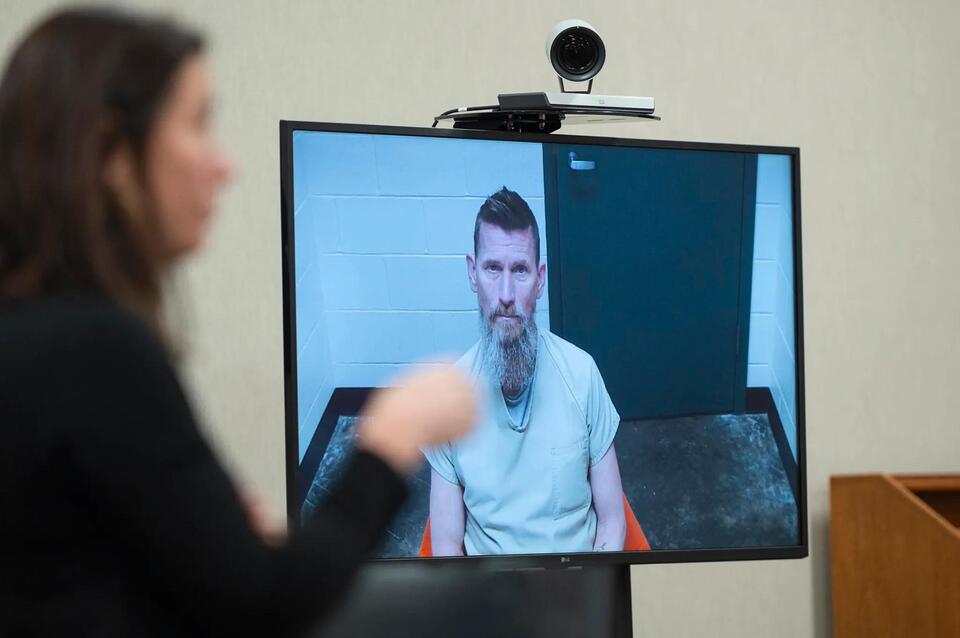
The upcoming court proceedings follow a protracted legal battle over Eaton’s mental competency. Judge John L. Pacht ruled that Eaton is mentally fit to stand trial, marking the second time a court-ordered evaluation has reached this conclusion. Eaton has been held without bail at the Northern State Correctional Facility in Newport since his arraignment.
Competency Rulings and Expert Disagreements
The road to trial has been shaped by conflicting medical opinions regarding Eaton’s mental state.
Dr. Keelin Garvey diagnosed Eaton with a narcissistic personality disorder but found no evidence of a psychotic disorder, testifying that Eaton understood court proceedings and grasped his legal options. Conversely, defense expert Dr. Fabian Saleh diagnosed Eaton with a delusional disorder, testifying that the defendant lacked a rational understanding of the crime due to untreated psychosis.
Judge Pacht dismissed Saleh’s diagnosis in a 10-page ruling, noting a lack of corroborating outreach to collateral sources such as Eaton’s mother and cousin. Pacht wrote that Eaton demonstrates a sophisticated understanding of the legal system and may be employing a post-hoc legal strategy.
“The Court cannot conclude that this ‘belief’ is the product of a psychotic delusion as opposed to a nonpsychotic resistance to face the facts,” Judge Pacht wrote in his ruling. “Even if delusional, Mr. Eaton is still competent.„”
The November 2023 Shooting and Impact on Victims
The charges stem from an incident on the evening of November 25, 2023, along North Prospect Street in Burlington. The victims—Hisham Awartani, Kinnan Abdalhamid, and Tahseen Ali Ahmad, all 20 years old at the time—were visiting friends and family in the area over the Thanksgiving holiday. The victims were wearing keffiyehs, traditional Palestinian scarves, at the time of the attack.
While community advocates and civil rights organizations called for the shooting to be prosecuted as a hate crime, local prosecutors stated that no direct evidence emerged to support that specific legal distinction during the initial investigation. The physical toll on the victims was severe. Awartani sustained a bullet wound to his spine that left him paralyzed from the chest down, while Abdalhamid and Ali Ahmad sustained non-fatal injuries requiring hospital treatment.
Legal strategy in high-profile criminal matters often requires extensive coordination and resource allocation. Navigating complex multi-jurisdictional evidence and expert testimony frequently necessitates specialized support from and forensic experts to ensure fair judicial outcomes.
Pending Legal Motions and Trial Timeline
Defense attorneys Margaret Mary Jansch and her colleagues indicated in court hearings that they intend to seek an independent psychological evaluation. Eaton has consistently refused to pursue an insanity defense despite admitting to the shooting, opting instead to explore a “public authority defense” based on his unverified claims of acting under government orders.

As preparations continue for jury selection in Chittenden County, defense counsel has also signaled an intent to file a motion to change the venue of the trial outside the county due to extensive pretrial publicity. Managing major criminal trials involves substantial administrative and logistical demands for local municipal infrastructure, where coordination with Court Administration Services remains vital for maintaining court security and public access.
The unfolding proceedings in Chittenden County Superior Court will test the boundaries of competency standards and legal strategy as Vermont prosecutors present their case before a jury.