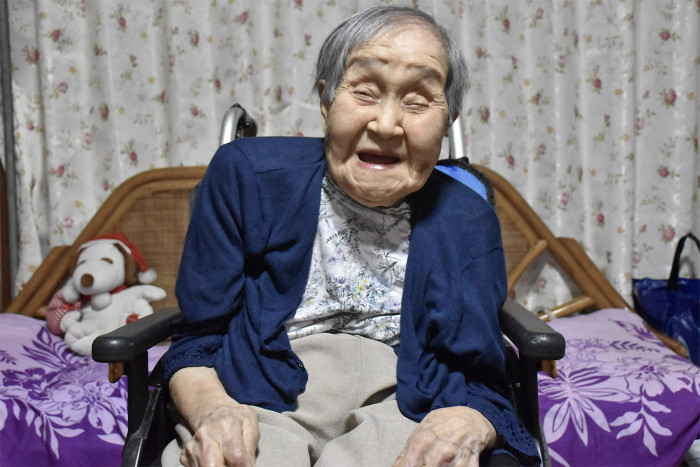
Japan’s Oldest Person Shigeko Kagawa Dies At 115
Shigeko Kagawa, recognized as Japan’s oldest person and a resident of Nara Prefecture in western Japan, died late last week at the age of 115, according to a report issued on Monday by the Ministry of Health, Labour and Welfare. Her passing shifts the historic milestone of Japan’s oldest living resident to Fuyo Kishimoto, a 114-year-old woman living in nearby Kyoto.
Medical Career Spanning Decades and Community Health Contributions
According to records from a local medical association cited by Kyodo News, she graduated from a medical school in 1934. She subsequently spent approximately three years working in the obstetrics, gynecology, and internal medicine departments at a hospital in Osaka.
Her commitment to localized health infrastructure expanded in 1937 when she established her own private clinic in Nara Prefecture. Kagawa maintained an active medical practice well into her 80s, providing essential care to generations of local residents. Her dedication extended beyond the walls of her clinic. In 1970, she provided emergency medical response services at the Osaka World Exposition, assisting visitors and staff during the international event.
Decades later, her public visibility reached a national audience when she participated in the Tokyo Olympic torch relay in 2021, serving as the oldest torchbearer in the event’s history at that time.
Reflections on a Century of Walking and Daily Routine
Following her recognition as the oldest person living in Japan in July 2025, Kagawa reflected on the physical habits that she believed sustained her long life. In comments reported by Kyodo News, she noted that she routinely made house calls entirely on foot, often navigating neighborhoods late at night or during scheduled days off.

“My longevity is rooted in my habit of walking so much for many years,” Kagawa stated in July 2025.
Demographic Shifts and the Succession of Longevity Records
With Kagawa’s passing, Fuyo Kishimoto assumes the designation of Japan’s oldest living citizen at 114 years old in Kyoto. Japan continues to experience profound demographic changes characterized by a rapidly aging population. Data compiled by the Associated Press highlights that Japan recorded over 95,000 centenarians as of September 2024, with women comprising approximately 88 percent of that total. Nearly one-third of the nation’s total population of 124 million people is aged 65 or older.

These demographic shifts place sustained fiscal and logistical pressure on national healthcare networks, municipal social services, and regional welfare planning departments. As local governments adapt to an increasing proportion of elderly residents, community leaders and municipal planners continually evaluate infrastructure adjustments required to support aging populations safely and effectively.
The passing of Shigeko Kagawa marks the quiet end of a remarkable century-long life dedicated to medicine, community care, and tireless daily movement across Nara Prefecture.