Indonesia Volcano Eruption Forces 1,500+ Flight Cancellations and 8 Airport Closures
<>
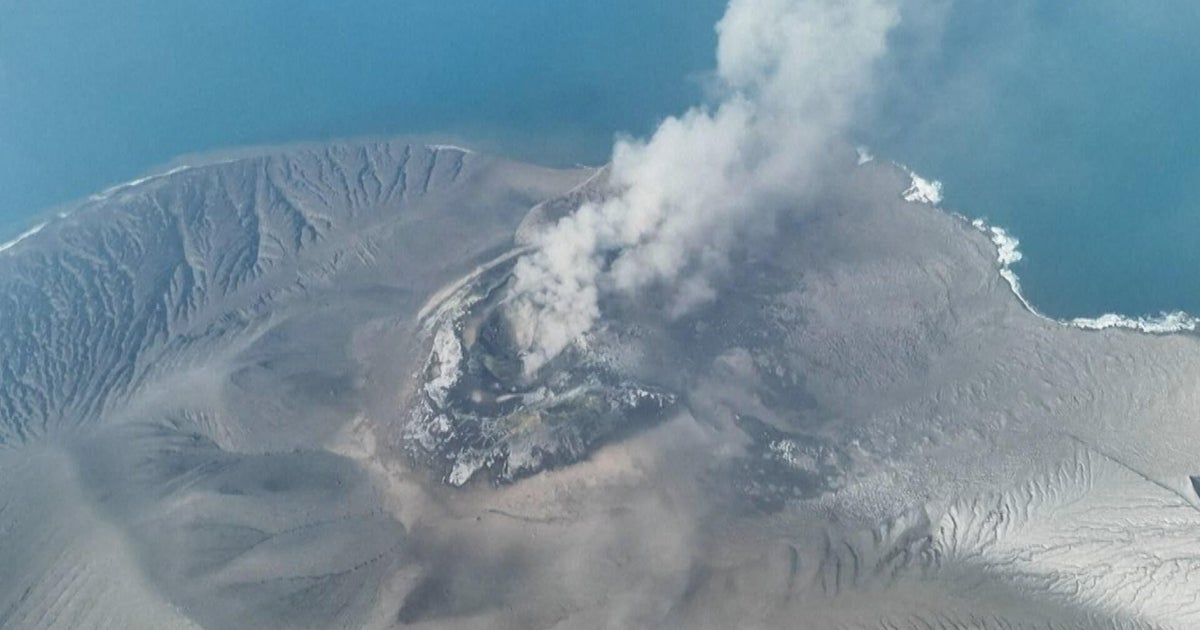
On Sunday, September 6, 2026, the eruption of Indonesia’s Mount Anak Krakatau forced the closure of eight airports and the cancellation of 1,558 flights, affecting 170,000 passengers.
Volcanic Activity and Airspace Closures
Mount Anak Krakatau began a continuous eruption at 11:07 p.m. local time on Friday, persisting for approximately 25 hours before ending at 12:04 a.m. on Sunday, as detailed in a press release from Indonesia’s Ministry of Energy and Mineral Resources. Lana Saria, head of Indonesia’s Geological Agency, noted that activity at the volcanic island in the Sunda Strait had intensified since July, marking Sunday’s event as the strongest during that period. Satellite imagery analyzed by the Darwin Volcanic Ash Advisory Centre and Indonesia’s volcanology agency identified two distinct ash plumes. The first plume climbed to 20,000 feet, drifting northeast over Jakarta, Banten, and West Java, while a second cloud reached 50,000 feet, spreading across Banten, Lampung, and Bengkulu provinces, the southern Sunda Strait, and the Indian Ocean.
AirNav Indonesia responded by ordering the closure of eight airports until 8:59 a.m. Monday. The disruption heavily concentrated at Jakarta’s Soekarno-Hatta International Airport—the second-busiest aviation hub in Southeast Asia by scheduled airline seat capacity—which accounted for 963 canceled flights in total, according to data compiled by Sunday evening.
Passenger Impact and Regional Mitigation
Travelers across regional hubs faced immediate logistical roadblocks as airlines grounded fleets. Diego Urdiales, a Spanish tourist stranded while attempting to return to Madrid, noted the lack of immediate updates from carriers. Meanwhile, Indonesian passenger Michele Gouw expressed resignation over the disruption, calling it a force majeure natural disaster that required waiting for official airport and airline directives. Lukman F. Laisa, Ministry of Transportation director general of civil aviation, emphasized that safety remained the primary operational driver, warning that cascading disruptions to aircraft rotations, fleet availability, and terminal capacity would require extended recovery time.


Beyond aviation, the Indonesian government authorized schools in ash-impacted zones to temporarily shift to online learning from home to minimize student exposure to particulate matter. While no casualties were reported and evacuation orders were unnecessary given that the nearest settlement lies more than 10 miles away, authorities maintained a strict 3-kilometer exclusion zone around the crater. Officials from the Center for Volcanology and Geological Hazard Mitigation urged individuals to remain at least 2 miles clear, citing ongoing hazards such as heavy ashfall, high concentrations of gas, and incandescent rock ejections.
For individuals, businesses, and logistics coordinators attempting to manage the secondary operational fallout of regional natural disasters, establishing reliable continuity protocols is paramount. Organizations often rely on vetted emergency restoration contractors and corporate legal consultants to navigate sudden supply chain halts and force majeure contract liabilities.
Long-Term Outlook for Regional Aviation
Volcanic monitoring indicates that Anak Krakatau retains an elevated magma and gas supply beneath the surface, keeping the volcano at Level III, or “Alert” status. While the continuous eruption phase concluded, Geological Agency officials stated that the potential for further eruptions remains high. As airlines begin the complex task of restoring normal schedules following the 24-hour airspace freeze, regional authorities continue to evaluate monitoring data to determine when standard flight paths across the Sunda Strait and surrounding sectors can safely resume.
Finding verified local professionals through the crisis management directory remains a crucial step for enterprises affected by sweeping logistical shutdowns.