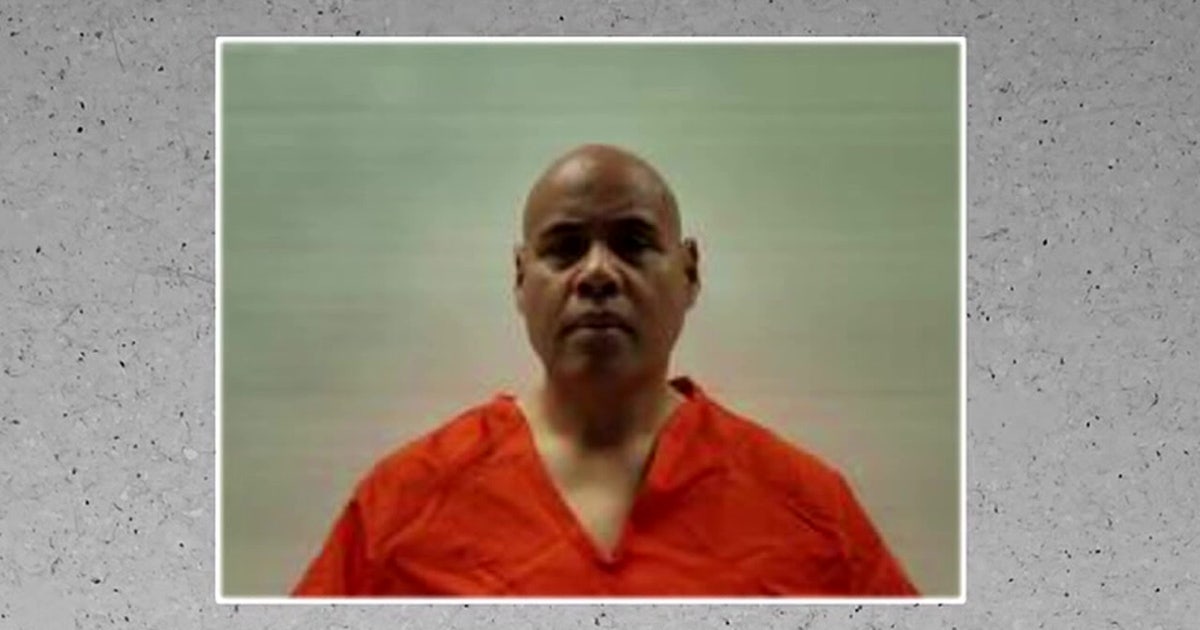
ICE Agent Christian Castro Released From Texas Jail Amid Minnesota Extradition Battle
U.S. Immigration and Customs Enforcement agent Christian Castro was released from the Cameron County Jail in Texas just before 7 a.m. on Aug. 27, 2026, following a federal judge’s denial of Minnesota’s attempt to compel his extradition. Cameron County Sheriff Manuel Treviño confirmed the release, which occurred as Castro reached the 90-day statutory limit for individuals held awaiting extradition under Texas law.
Extradition Battle Reaches Legal Crossroads in Texas
Castro had remained in custody since May 29 after Texas Rangers arrested him on a Hennepin County warrant. Minnesota prosecutors charged the federal agent with four counts of assault and one count of falsely reporting a crime following the nonfatal shooting of Julio Cesar Sosa-Celis on Jan. 14 during Operation Metro Surge.
Minnesota Attorney General Keith Ellison sued Governor Abbott on Aug. 18, seeking to force the governor to sign a rendition warrant. Ellison also asked the courts to issue a temporary restraining order to keep Castro jailed, warning that the agent posed a flight risk due to potential ties to Mexico. However, U.S. District Judge Fernando Rodriguez Jr., sitting in Brownsville, denied the motion. The court ruled that Minnesota’s lawsuit was premature because Governor Abbott had not yet made a final determination on whether Castro qualified as a fugitive under state law.
“Otherwise, Minnesota would be impermissibly seeking relief based solely on a premature or speculative allegation about possible future events — i.e., that Governor Abbott will wrongfully deny the request for extradition,” Judge Rodriguez wrote in his judicial opinion.
Following the adverse ruling, Minnesota Attorney General Keith Ellison issued a statement criticizing the outcome and vowing to continue the legal fight. “Minnesota should never have had to file this lawsuit or this motion,” Ellison stated. “Greg Abbott has a black-letter legal and constitutional duty to sign the rendition warrant to return the fugitive Castro to Minnesota — full stop — and we are only here because Abbott is playing with constitutional fire.”
Meanwhile, Hennepin County Attorney Mary Moriarty also condemned the decision by the Texas court to allow Castro’s release from custody. Governor Abbott’s office countered that the state’s lawsuit was filed prematurely, arguing through attorneys that the governor maintains sole constitutional authority to determine if statutory conditions for extradition have been fully satisfied. Abbott’s administration has noted that a formal review by the Texas Secretary of State remains underway to evaluate whether Castro legally constitutes a fugitive, given that federal immigration authorities—not personal evasion—ordered his relocation from Minnesota as Operation Metro Surge concluded.
Disputed Details Surrounding the January Shooting
The underlying criminal case stems from a confrontation in north Minneapolis that ignited widespread community unrest. According to charging documents filed in Hennepin County, Castro claimed he discharged his service weapon after being attacked by a suspect wielding a broom and a shovel. Prosecutors argue that physical evidence, witness statements, and surveillance footage directly contradict that account.

Based on Castro’s initial statements to investigators, the victim, Julio Cesar Sosa-Celis—a Venezuelan immigrant whose family maintains he resides in the United States legally—was initially arrested and charged with a crime. Those charges were subsequently dropped. The January shooting occurred amid a tense period in Minneapolis, unfolding just a week after the shooting of Renee Good and ten days prior to the shooting of Alex Pretti.
The federal court’s decision leaves the ultimate question of whether Texas will extradite Castro unresolved, as Judge Rodriguez focused strictly on the lack of subject matter jurisdiction given the absence of a final executive decision from Governor Abbott. With Castro now free from Cameron County custody, the legal battle moves back to state and federal dockets where attorneys for both Minnesota and Texas prepare for the next phase of litigation.