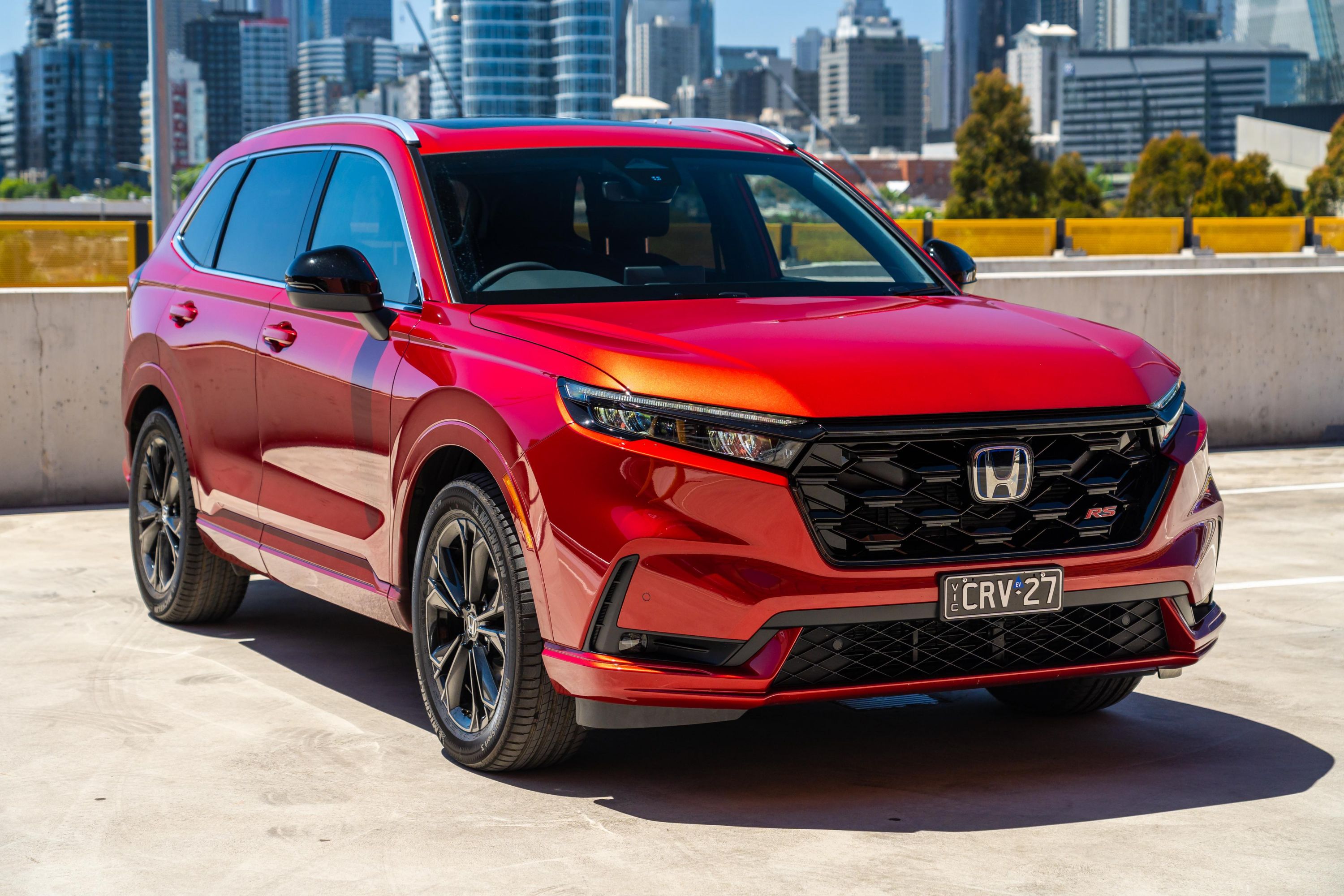
Honda CR-V e:HEV E Review: Is the Mid-Spec Hybrid the New Value King
The Honda CR-V e:HEV E arrives in the Malaysian automotive market as a direct mid-spec response to mounting pricing pressures from regional competitors, lowering the entry threshold for Honda’s 2.0-liter electrified powertrain while maintaining core dynamics and a driving range exceeding 700 to 800 kilometers on a single tank, according to reporting by BusinessToday Malaysia and Newswav.
The 2.0L e:HEV Powertrain and Market Positioning
Shifting the hybrid configuration down to the “E” trim brings Honda’s sophisticated electrified technology to a more accessible price point in a market crowded with feature-packed rivals. Unlike traditional hybrid setups, the 2.0-liter system operates primarily via the electric motor, with the internal combustion engine acting primarily as a generator, though it can engage directly to drive the wheels at highway speeds for maximum efficiency.
On the road, the vehicle masks its 1.7-ton weight with agility, functioning as a driver-centric front-wheel-drive family sport utility vehicle. While the variant lacks the flagship “RS” trim’s active noise-canceling technology and synthetic engine audio, it retains individual drive-mode customization and paddle shifters for regenerative braking control, according to Newswav reporting.
Competitive Pressures from Regional Entrants
Honda Malaysia manufactures the CR-V locally at its Melaka facility, maintaining an operational footprint in the region for over 25 years. However, the competitive landscape has shifted dramatically over the past year. Chinese manufacturers including Chery, Jaecoo, and Haval, alongside Proton with its Geely-derived e.MAS 7 plug-in hybrid electric vehicle, have captured segments of the market by offering aggressive pricing structures and comprehensive single-specification trims.
While these newer entrants typically lack the handling dynamism of the CR-V, their cost advantages present a structural challenge to legacy Japanese nameplates. Traditional regional rivals have thinned out considerably, leaving Mazda’s aging CX-5 as one of the few direct Japanese competitors remaining after models like the Mitsubishi Outlander and Nissan X-Trail exited the local market, and Toyota pivoted toward the smaller Corolla Cross.
Interior Packaging and Technological Trade-Offs
Inside the cabin, the mid-spec variant prioritizes utilitarian space over luxury finishes, offering cavernous boot capacity and rear seats that recline significantly via a simple lever mechanism. Rear legroom and thigh support remain class-leading, accommodating taller passengers comfortably.
Cost-saving measures on the “E” trim are visible in the cabin trim pieces, utilizing generic dimpled plastic surfaces across the door cards and dashboard that match the knurling on the air conditioning knobs. Buyers forfeit the Alcantara finishes of the flagship tier but retain essential daily amenities such as a powered driver’s seat with memory, a powered front passenger seat, wireless charging, and a high-resolution head unit featuring Google Built-In integration.
Weighing the Value Proposition in an Evolving Sector
The deletion of the LaneWatch camera system marks a significant technological shift for this generation, altering how the vehicle handles blind-spot monitoring. Exterior styling adopts a subdued aesthetic compared to the aggressive body kit found on the RS variant, appealing to buyers seeking a more understated road presence.
