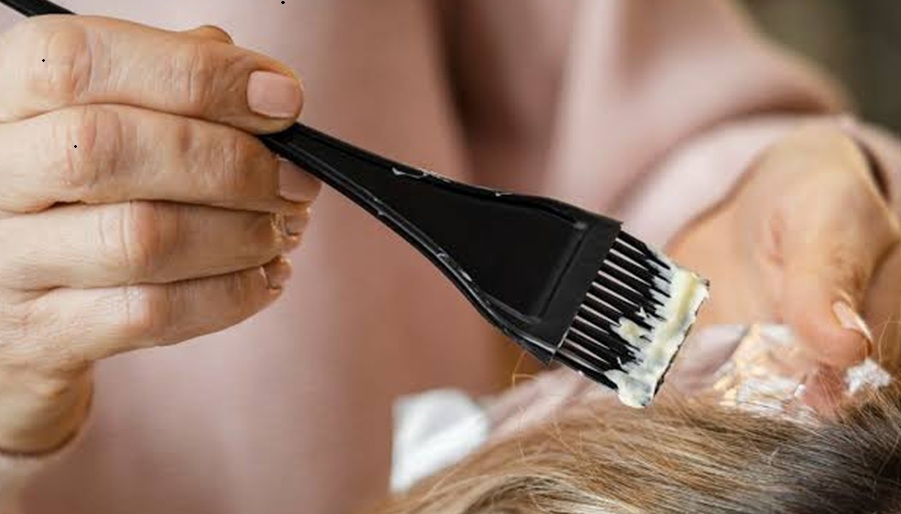
Hair Dye and Breast Cancer Risk: Experts Debunk 60% Claim
Recent viral claims suggesting permanent hair dye increases breast cancer risk by up to 60 percent require careful clinical interpretation, according to public health and medical experts evaluating findings published in the International Journal of Cancer. The figures stem from the observational Sister Study, which tracked tens of thousands of women over extended periods to evaluate environmental risk factors in oncology.
- The widely cited 60 percent figure represents a relative risk increase found only in specific demographic subsets—specifically Black or African American women using permanent dye every five to eight weeks.
- Epidemiological data from the research show an overall relative risk increase of approximately 9 percent for all study participants within 12 months of use.
- Medical experts emphasize that observational studies identify statistical associations rather than direct cause-and-effect pathways, advising against unnecessary panic while encouraging informed personal care choices.
Epidemiological Findings and the Sister Study Methodology
The discussion centers on data derived from the Sister Study, a large-scale prospective cohort investigation that evaluated 46,709 perempuan. Published in the International Journal of Cancer, the research examined potential links between chemical exposures and breast cancer pathogenesis.

Dr. Stemi explained that the 60 percent statistic applies exclusively to a narrow subgroup within the cohort. Across all study participants, recent use of permanent hair dye within the 12 months prior to enrollment correlated with a modest 9 percent increase in relative risk. When stratified by racial demographics, the data indicated a roughly 7 percent increase among White women and about a 45 percent increase among Black participants using permanent formulations. The higher figure of approximately 60 percent materialized solely among Black women who applied permanent dyes at intervals of every five to eight weeks or more frequently.
To contextualize these observational metrics within broader clinical literature, a meta-analysis incorporating 14 separate studies across more than 210,000 subjek estimated an overall relative risk increase of roughly 7 percent. Researchers note that while these numbers point to a measurable association, they do not establish direct causality, as lifestyle factors, socioeconomic variables, and genetic predispositions often overlap in large epidemiological cohorts.
Chemical Formulations and International Agency Classifications
Public concern frequently targets specific chemical constituents historically found in hair colorants, notably aromatic amines and p-phenylenediamine (PPD). However, regulatory oversight and cosmetic manufacturing standards have evolved significantly since the 1970s, leading to the strict limitation or elimination of many recognized hazardous compounds in consumer products.

The International Agency for Research on Cancer (IARC), operating under the World Health Organization (WHO), maintains distinct classifications regarding personal versus occupational exposure to these substances. Personal use of hair coloring products is categorized as not classifiable as to its carcinogenicity to humans due to insufficient direct evidence. Conversely, occupational exposure experienced by professional hairdressers and barbers is classified as probably carcinogenic to humans, reflecting the high frequency, intensity, and duration of chemical contact encountered in salon environments.
Navigating these safety parameters requires diligence from both consumers and clinical practitioners. For individuals managing complex health screenings or seeking individualized oncological risk assessments, connecting with vetted specialists is essential.
Clinical Guidance and Risk Mitigation Strategies
While the biological mechanisms linking chronic chemical exposure to endocrine disruption or tumorigenesis remain under investigation, clinical experts advise moderation rather than alarmism. Established, high-impact risk factors for breast cancer—such as advanced age, genetic mutations like BRCA1/2, postmenopausal obesity, alcohol consumption, sedentary lifestyle, and endogenous hormonal histories—exert a far more substantial influence on overall disease probability than cosmetic exposures.
Medical professionals recommend several practical precautions for individuals who choose to continue using hair dyes:
- Select products that are officially registered and compliant with national regulatory standards.
- Adhere strictly to manufacturer instructions regarding application time and rinsing procedures.
- Refrain from coloring hair if the scalp exhibits abrasions, dermatitis, or active inflammation.
- Consider extending intervals between touch-ups to minimize cumulative chemical exposure.
Healthcare providers emphasizing preventive care note that informed decision-making remains the cornerstone of modern wellness. For tailored risk counseling and structured preventative health screenings, individuals should consult with a board-certified primary care physician or schedule a consultation via a trusted clinical wellness directory.