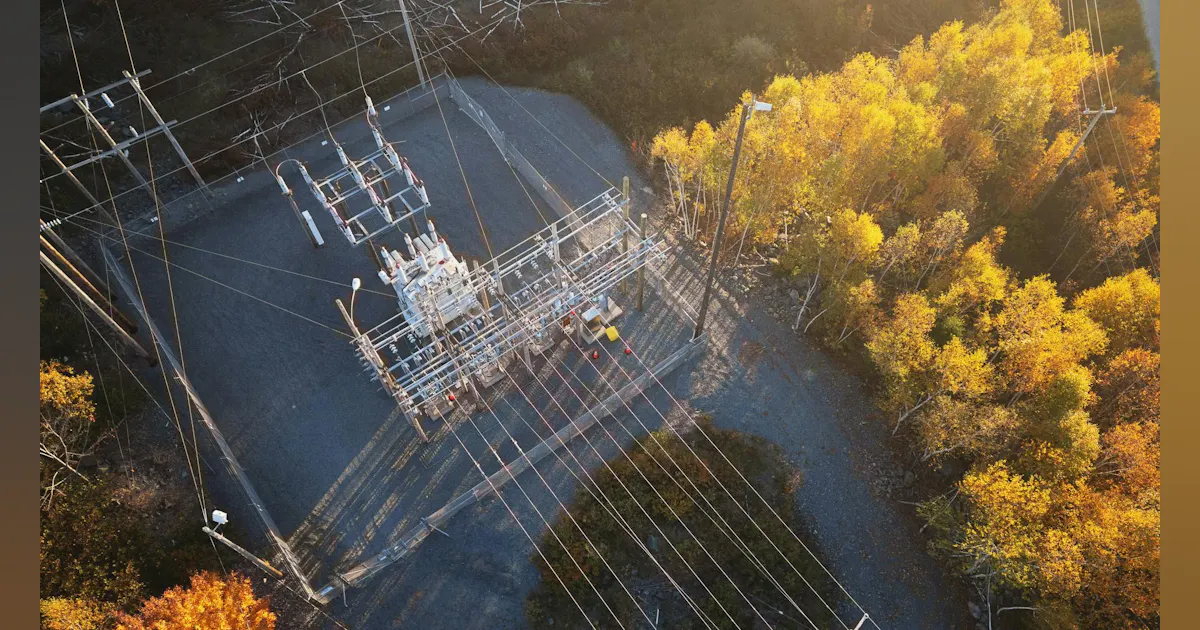
GE Vernova Unveils 170-kV SF6-Free GIS at CIGRE Paris 2026
GE Vernova has unveiled a 170-kV sulfur hexafluoride (SF₆)-free gas-insulated switchgear (GIS) at the CIGRE 2026 session in Paris, marking a significant shift in high-voltage infrastructure technology. By utilizing vacuum interrupter technology and clean air insulation, the company aims to eliminate the use of potent greenhouse gases in power grid operations, aligning with tightening global environmental mandates.
The Technical Shift Away from SF₆
For decades, SF₆ has been the industry standard for electrical insulation and current interruption in high-voltage equipment due to its dielectric properties. However, it is also a potent greenhouse gas with a global warming potential approximately 23,500 times that of CO₂. The release of this gas during equipment maintenance or leaks represents a major liability for utility operators.
GE Vernova’s new 170-kV GIS replaces this synthetic gas with a combination of vacuum interrupter technology and processed, purified air. This transition addresses the immediate regulatory pressure facing transmission system operators (TSOs) in Europe and North America, where strict climate disclosure rules are increasingly penalizing carbon-intensive infrastructure.
For municipal authorities and grid managers tasked with upgrading aging substations, the shift to SF₆-free technology is not merely an engineering choice; it is a financial necessity. Utilities failing to account for the lifecycle cost of high-GWP (global warming potential) gases may face future carbon taxes or asset stranding as regulations evolve. Organizations needing to modernize their grid while minimizing environmental risk often require specialized oversight. Stakeholders currently navigating these technical transitions are increasingly engaging with Professional Infrastructure Consulting Services to ensure compliance with emerging emission standards.
CIGRE Paris 2026 and the Regulatory Landscape
The launch at CIGRE, the International Council on Large Electric Systems, underscores the industry’s focus on decarbonization. The event serves as the primary forum for global power system experts to reconcile grid reliability with the net-zero mandates of the Paris Agreement.
In jurisdictions like the European Union, the F-gas Regulation is actively phasing down the use of fluorinated gases. The 170-kV threshold is particularly critical, as it covers the vast majority of high-voltage transmission networks that connect renewable energy generation to urban centers. The move to a vacuum-based system effectively removes the equipment from the scope of these restrictive phase-outs.
“The transition to SF₆-free alternatives is the most significant challenge for substation asset managers this decade,” notes a senior policy analyst tracking European energy infrastructure. “The engineering is proven, but the capital expenditure required for a fleet-wide switch is massive. Operators are looking for long-term reliability guarantees before committing to full-scale replacement cycles.”
Infrastructure Reliability and Asset Management
Deploying new GIS technology requires more than just hardware procurement; it demands a fundamental change in maintenance protocols. Vacuum interrupters operate differently than traditional SF₆-insulated circuit breakers, requiring specialized training for field crews and revised maintenance schedules.
As utilities move away from legacy systems, the risk of technical failure during the transition period remains a top concern. Proper installation and rigorous quality assurance are required to ensure that the grid remains stable during the decommissioning of older, gas-filled units. For projects of this scale, developers and municipal power authorities often turn to Expert Utility Engineering Firms to manage the complex logistics of site integration and safety compliance.
Economic and Long-Term Strategic Impacts
The economic viability of SF₆-free GIS is linked to the total cost of ownership. While the initial capital expenditure for vacuum-based systems can be higher than traditional SF₆ units, proponents argue that the reduction in regulatory compliance costs and the elimination of gas-leak monitoring expenses yield a lower long-term cost profile.
Furthermore, as regional governments in the United States and elsewhere begin to emulate EU-style climate policies, the market for SF₆-free equipment is expected to grow. This move by GE Vernova positions the firm to capture a significant share of the grid-modernization budget allocated under various federal infrastructure acts. The legal and contractual frameworks required to protect these investments are substantial. Legal departments at major utility providers are currently working closely with Energy Regulatory and Compliance Counsel to mitigate the risks associated with long-term infrastructure contracts and environmental liability.
The grid of 2030 will look fundamentally different from the grid of today, defined by a lower reliance on chemical insulators and a higher reliance on vacuum and solid-state alternatives. As the industry moves forward, the primary hurdle will remain the speed of adoption across existing, legacy-heavy networks. The race is no longer just about generating power; it is about ensuring that the infrastructure itself does not contribute to the climate crisis it is intended to help solve.