British Museum Bans Photos at Bayeux Tapestry Exhibition to Ease Crowds
Visitors attending the Bayeux Tapestry exhibition at the British Museum in London face strict photography prohibitions to alleviate severe crowd congestion.
Managing Exceptional Crowds at the British Museum
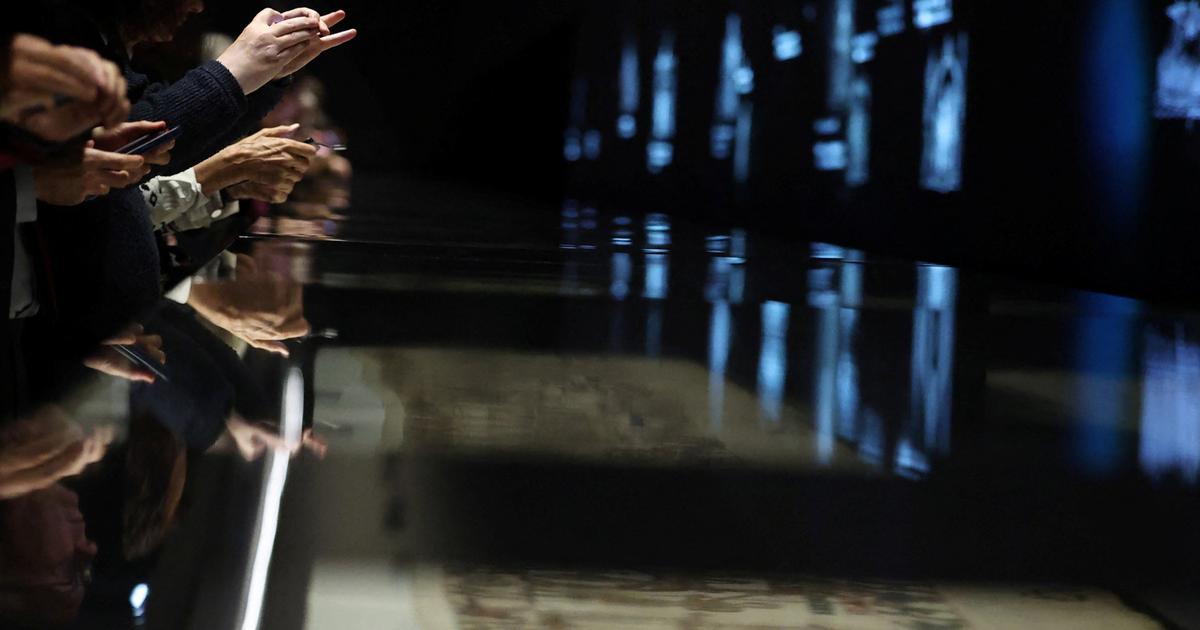
The 11th-century embroidery documenting the Norman Conquest of England by William the Conqueror has generated intense public interest since opening on September 10, 2026. While initial rules permitted cameras inside the exhibition space, museum officials observed that individuals lingering to capture images created severe bottlenecks in the viewing corridors. Consequently, a British Museum spokesperson explained via press statements that organizers changed course to protect the visitor experience.
“We have taken the decision to interdict photographs while visitors move along the Tapestry,” a museum spokesperson stated in a public release reported by France 24. “The interest for the Tapestry is considerable and our priority is to ensure that all visitors benefit from the best experience possible.”
Exhibition Timelines and Ticketing Pressures
Patrons attending the London presentation generally have approximately forty minutes to observe the nearly 70-meter-long masterpiece loaned by France. President Emmanuel Macron announced the historic loan of the artifact in July 2025, moving the artifact from its permanent home in Normandy.
Demand for entry remains exceptionally high. The exhibition currently displays a fully booked schedule running through December 31, 2026. However, museum ticketing offices scheduled a fresh batch of passes for public release on October 21, 2026, to accommodate remaining demand leading toward the July 2027 closing date. Managing such unprecedented crowd volumes requires meticulous logistical planning and coordination, often drawing on specialized expertise to ensure public safety and artifact preservation.
As cultural institutions balance massive public access with the physical realities of historic exhibition spaces, visitors must adapt to shifting gallery regulations designed to keep lines moving smoothly. Navigating major international loans and large-scale public spectacles demands robust administrative frameworks, making expert guidance indispensable for hosting institutions worldwide.