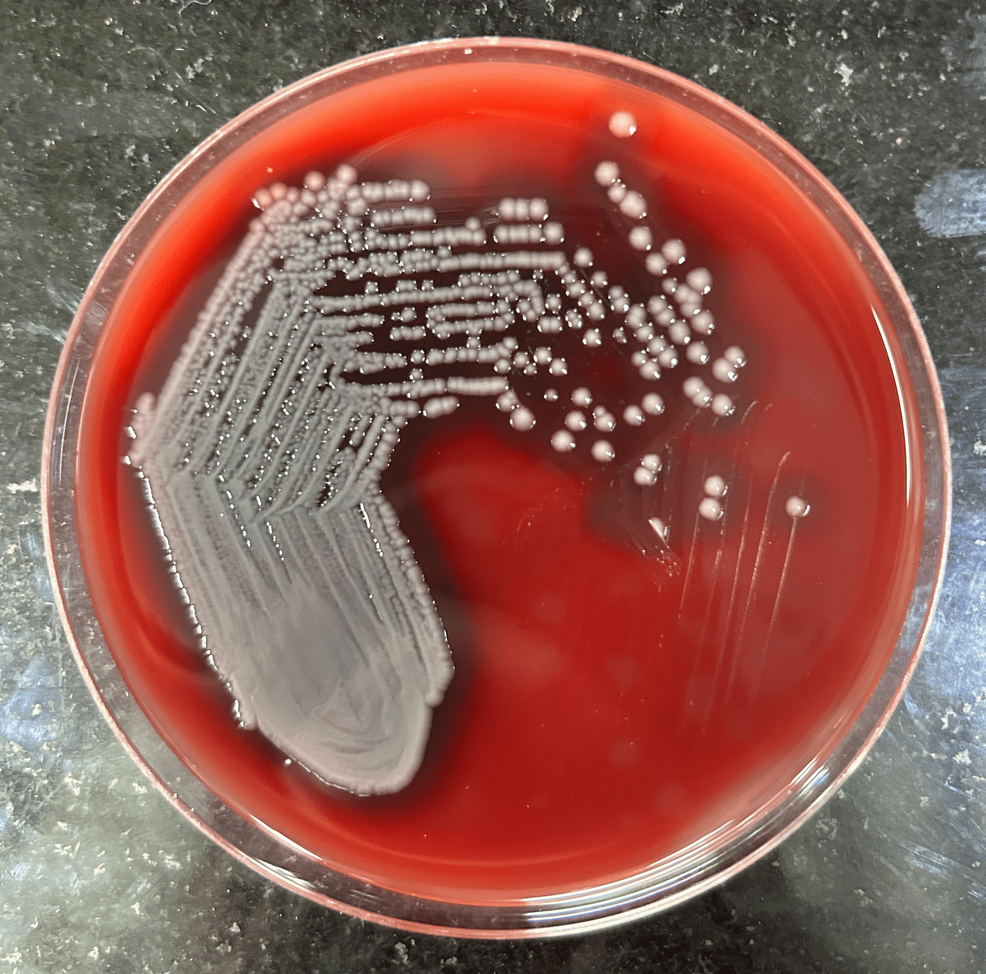
Aeromonas dhakensis: An Emerging Cause of Catheter-Related Bloodstream Infection
Catheter-related bloodstream infections caused by unusual environmental pathogens present distinct clinical hurdles in modern hospital settings, demanding precise identification by diagnostic laboratories. According to a peer-reviewed case study published in Cureus, titled “From Water to Bloodstream: Aeromonas dhakensis as an Emerging Cause of Catheter-Related Bloodstream Infection,” clinicians are facing rising challenges from opportunistic gram-negative bacilli that colonize aquatic environments and subsequently compromise immunocompromised hosts.
Key Clinical Takeaways:
- Aeromonas dhakensis is an increasingly recognized environmental pathogen capable of driving severe catheter-related bloodstream infections in vulnerable hospital patients.
- Accurate microbial identification requires advanced laboratory techniques, as traditional automated identification systems frequently misclassify this species within the broader Aeromonas hydrophila complex.
- Clinical management relies heavily on targeted antimicrobial therapy informed by specific susceptibility testing to mitigate high patient morbidity risks.
Epidemiology and Biological Pathogenesis of Aeromonas dhakensis
The organism in question is a motile, oxidase-positive, facultative anaerobic gram-negative rod traditionally associated with aquatic ecosystems, brackish water, and soil. While historical medical literature often grouped these infections under the umbrella of Aeromonas hydrophila, contemporary molecular diagnostics reveal that Aeromonas dhakensis possesses distinct virulence factors, including extracellular proteases, hemolysins, and type III secretion systems that facilitate tissue invasion and systemic dissemination. Patients with central venous catheters or indwelling medical hardware face heightened vulnerability when exposed to contaminated irrigation fluids, topical antiseptics, or breaches in aseptic barrier protocols during device maintenance.
When systemic invasion occurs, the clinical presentation can rapidly escalate from localized site erythema to severe sepsis, septic shock, and multiorgan dysfunction syndrome if broad-spectrum empiric therapy fails to cover atypical gram-negative bacilli. Diagnostic laboratories utilizing matrix-assisted laser desorption/ionization time-of-flight mass spectrometry (MALDI-TOF MS) or 16S rRNA gene sequencing are often critical for confirming the exact species, thereby sparing clinicians from utilizing ineffective antibiotic regimens.
Clinical Triage, Diagnostics, and Patient Management
Managing emerging opportunistic bacteremias requires an immediate, multidisciplinary approach involving infectious disease specialists, clinical microbiologists, and vascular access teams. Healthcare facilities addressing recurrent or treatment-resistant catheter infections must perform rigorous line-removal protocols paired with quantitative blood cultures. For patients requiring specialized long-term vascular access management or diagnostic clarification, consulting vetted specialists through an established [Relevant Clinic/Professional/Service] helps ensure timely escalation of care and adherence to evidence-based infection control standards.
Furthermore, hospital epidemiology units must audit water supply systems, ice machines, and sink drains in intensive care units where waterborne pathogens find environmental reservoirs. When diagnostic uncertainty threatens patient safety, securing second opinions from board-certified infectious disease physicians or utilizing advanced reference laboratories via [Relevant Clinic/Professional/Service] remains a cornerstone of reducing hospital-acquired infection rates. Ensuring staff are trained in rapid identification of atypical environmental rods bridges the gap between initial symptom onset and definitive targeted treatment.
As molecular diagnostic tools continue to evolve, clinical awareness of Aeromonas dhakensis as a primary bloodstream pathogen will redefine institutional protocols for device-associated infections. Future clinical research must focus on establishing standardized breakpoints for susceptibility testing against newer beta-lactamase inhibitors and fluoroquinolones. Until then, strict adherence to barrier precautions during catheter insertion, coupled with rapid escalation to specialized care providers found at [Relevant Clinic/Professional/Service], offers the most robust defense against the morbidity associated with waterborne invasive pathogens.
*Disclaimer: The information provided in this article is for educational and scientific communication purposes only and does not constitute medical advice. Always consult with a qualified healthcare provider regarding any medical condition, diagnosis, or treatment plan.*